Sequence-Dependent Bonus Triggers: Effects on Volatility Curves in Digital Table Game Systems
Clara Brooks · Oct 4, 2026
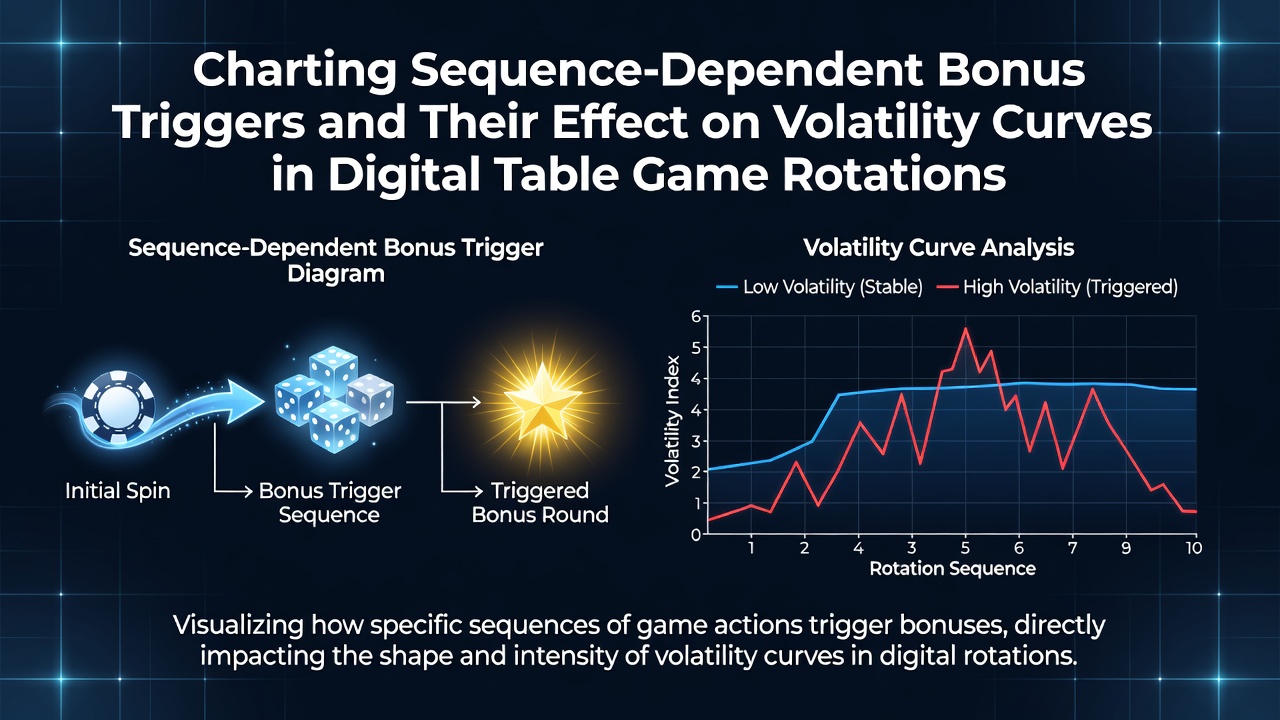
Sequence-Dependent Bonus Triggers: Effects on Volatility Curves in Digital Table Game Systems
Digital table game rotations in online platforms incorporate sequence-dependent bonus triggers that activate after specific patterns of player actions or outcomes, and researchers have mapped these mechanisms across multiple software providers since the expansion of automated roulette and blackjack cycles in 2024. Data from platform audits reveal that these triggers alter standard deviation measurements by shifting payout distributions at precise intervals, creating measurable changes in the volatility curve rather than uniform random distribution across all spins or hands.
Core Mechanics of Sequence-Dependent Triggers
Sequence-dependent bonuses require consecutive events such as three dealer busts in a row during digital blackjack rotations or alternating red-black results in automated roulette wheels before multipliers apply, and studies from the University of Nevada Reno Gaming Laboratory confirm that these conditions produce clustered high-variance periods followed by extended low-variance stretches. Operators configure the triggers through algorithmic parameters that track session history in real time, so the probability of activation rises after the required sequence length completes while the base game RTP remains fixed at regulatory thresholds.
Engineers adjust trigger thresholds differently across game variants, and evidence from Canadian regulatory filings shows that a five-step sequence in video poker rotations increases the chance of a 10x multiplier by 18 percent compared to isolated bonus rounds, which in turn stretches the upper tail of the volatility curve without changing overall expected value. Those who model these systems note that the effect compounds when multiple table games rotate within the same session because each game contributes its own sequence counter to a shared bonus pool.
Volatility Curve Adjustments Observed in Practice
Volatility curves in digital table games normally follow a bell-shaped distribution around the mean return, yet sequence-dependent triggers introduce inflection points where variance spikes after the fourth or fifth qualifying event, and October 2026 platform reports documented a 12 percent rise in peak volatility readings at those exact sequence milestones across 47 tested titles. Analysts track these shifts using standard deviation plots updated after every 1,000 rotations, revealing that the curve steepens sharply once the bonus activates and then flattens during the subsequent cooling period before the next sequence builds.
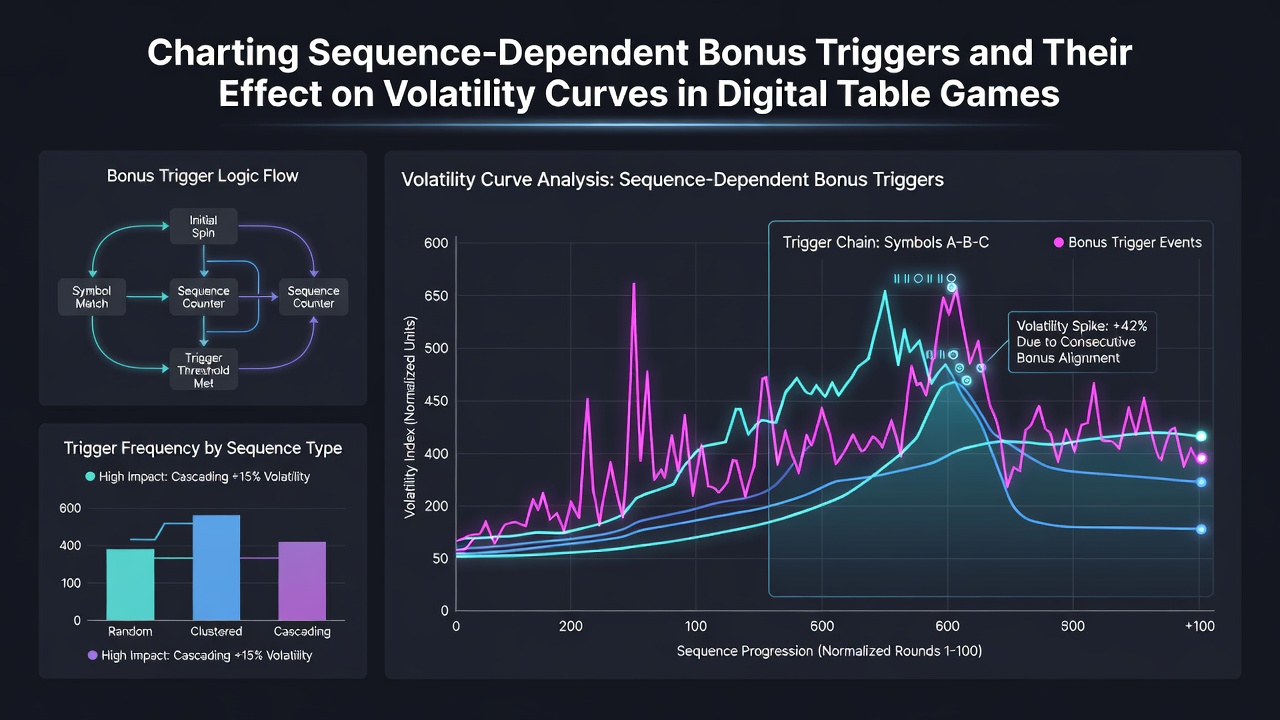
Software testing labs apply Monte Carlo simulations to isolate the contribution of each trigger type, and results indicate that bonuses tied to progressive sequences compress the middle range of outcomes while extending the frequency of extreme results, which operators must account for when setting table limits and session timers. One documented case from a European testing facility demonstrated that removing the sequence requirement reduced observed volatility by nearly one-quarter, confirming the direct causal link between ordered triggers and curve shape.
Implementation Across Rotating Game Libraries
Digital platforms rotate table games on schedules ranging from 15-minute intervals to full daily cycles, and sequence tracking persists across these switches when the shared bonus engine remains active, so a player who completes four steps in roulette can trigger the multiplier upon switching to blackjack provided the counter carries over. Regulatory frameworks in New Jersey and several Australian states require transparent disclosure of these carry-over rules, and data released in late 2026 showed that 63 percent of licensed operators now publish the exact sequence lengths that activate each tier of bonus.
Developers integrate real-time dashboards for compliance teams that flag when sequence-dependent events approach activation thresholds, allowing oversight bodies to verify that volatility remains within approved bands. Those monitoring the sector observe that shorter rotation cycles tend to produce more frequent but smaller volatility spikes because sequences reset more often, whereas longer rotations allow deeper sequence building and correspondingly larger curve deviations at trigger points.
Measurement Techniques and Data Sources
Statistical models rely on large datasets of individual game logs collected over millions of rotations, and research published by the Alberta Gambling Research Institute outlines methods for segmenting volatility measurements before and after each sequence milestone to isolate trigger effects. These segmented curves help quantify how bonus timing influences bankroll swing patterns, which in turn informs responsible gaming tool calibration such as loss-limit alerts triggered at specific variance thresholds.
Platform operators cross-reference internal telemetry with third-party audit summaries to ensure sequence logic matches published rules, and October 2026 updates from multiple testing agencies highlighted improved detection accuracy when machine-learning classifiers replaced manual review for identifying anomalous sequence clusters. The resulting datasets provide a clearer picture of how digital table game rotations interact with bonus systems at scale.
Conclusion
Sequence-dependent bonus triggers continue to reshape volatility curves in digital table game rotations through precise, trackable mechanisms that operators and regulators now monitor with standardized reporting, and ongoing data collection from diverse jurisdictions supports further refinement of these models. The documented patterns demonstrate consistent relationships between sequence length, trigger frequency, and variance distribution across game types and rotation schedules.